

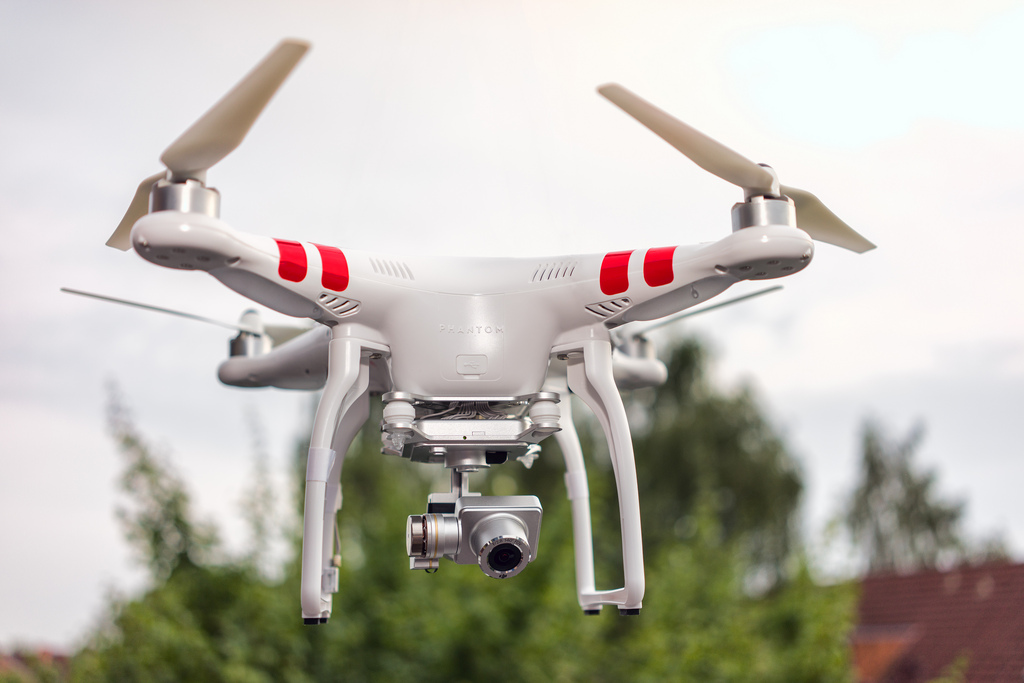
The Future of Unmanned Aerial Vehicles (UAVs): Revolutionizing Industries and Beyond
Unmanned Aerial Vehicles (UAVs), commonly known as drones, are rapidly transforming various industries and reshaping the future of technology. Here’s an in-depth look at the key trends and developments in the UAV sector:
1. Diverse Applications Across Industries
UAVs are being widely utilized in numerous fields:
-
Cargo Delivery: Companies like Amazon, UPS, and DHL are deploying drones for fast and efficient delivery, especially in hard-to-reach areas.
-
Agriculture: Drones are used for crop spraying, monitoring, and soil analysis, helping to increase productivity and reduce costs.
-
Search and Rescue: UAVs assist in disaster relief, traffic monitoring, and security operations.
-
Tourism and Entertainment: Drones capture aerial photos and videos, offering unique experiences for tourists.
2. Advancements in Automation and AI
-
Automation: UAVs are increasingly equipped with advanced automation systems, enabling them to operate independently without human intervention.
-
Artificial Intelligence (AI): AI helps drones recognize objects, avoid obstacles, and optimize flight paths.
-
Advanced Sensors: Technologies like Lidar, radar, and thermal cameras allow UAVs to operate accurately in various weather and environmental conditions.
3. Passenger Transport (Air Taxi)
Companies such as EHang, Volocopter, and Joby Aviation are developing unmanned air taxis. These vehicles promise to revolutionize urban mobility, reducing traffic congestion and saving time.
4. Smart Air Traffic Management (UTM)
With the growing number of UAVs, Unmanned Traffic Management (UTM) systems are being developed to:
-
Manage thousands of drones simultaneously.
-
Ensure safety and prevent collisions.
-
Integrate with existing aviation systems.
5. Sustainable Development
-
Clean Energy: Many UAVs are transitioning to electric or hybrid power to reduce greenhouse gas emissions.
-
Lightweight and Durable Materials: The use of composite materials helps reduce weight and improve flight efficiency.
6. Challenges and Barriers
-
Regulatory Issues: Managing and licensing UAV operations remains a complex challenge.
-
Safety and Security: Risks of collisions, hacking, and misuse are significant concerns.
-
Public Acceptance: Many people remain skeptical about the safety and privacy implications of UAVs.
7. The Future of UAVs
-
Expanded Use: UAVs will become more widespread across industries and daily life.
-
Global Connectivity: Drones will integrate into the Internet of Things (IoT), connecting with other smart devices.
-
Sustainable Growth: UAVs powered by clean energy will contribute to reducing environmental pollution.
Visual Concept:
A modern drone with a sleek, aerodynamic design flying over a smart city, surrounded by skyscrapers and advanced transportation systems. In the background, other drones are seen performing various tasks, such as delivering packages, monitoring traffic, and capturing aerial footage. This image captures the essence of a connected, efficient, and sustainable future powered by UAV technology.
The future of unmanned aerial vehicles is not just about technological innovation but also about creating a smarter, safer, and more sustainable world. As UAVs continue to evolve, they will play an increasingly vital role in shaping the way we live, work, and interact with our environment.