

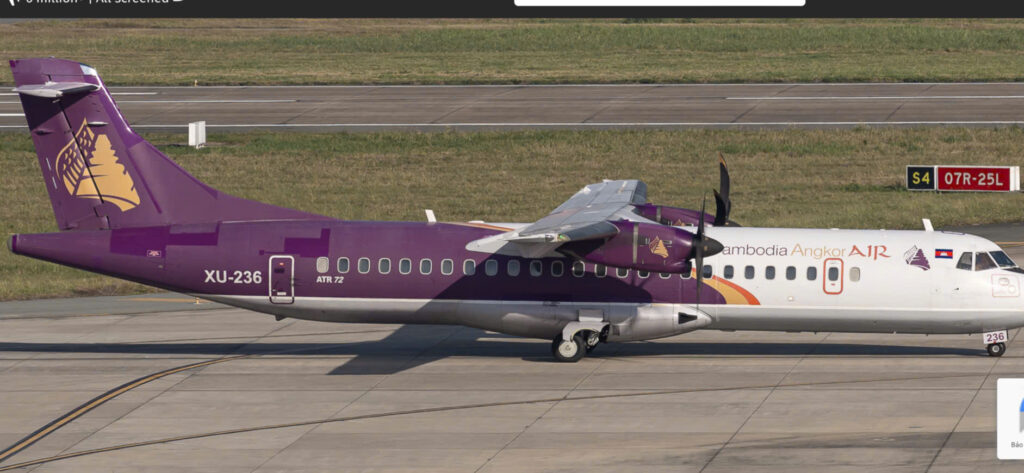
When it comes to regional aviation, one aircraft reigns supreme: the ATR 72. Designed for efficiency, reliability, and cost savings, this turboprop has dominated the short-haul market (flights under 1,500 km) for years. But what makes it the ultimate choice for airlines worldwide? Let’s dive in.
✈️ Why the ATR 72 Rules the Skies
🔥 Unbeatable Fuel Efficiency
- Uses 40% less fuel than small regional jets like the Embraer E175 or Bombardier CRJ900, slashing operating costs.
- Perfect for airlines looking to maximize profits on short routes.
🛫 More Passengers, More Profit
- Seats 68-78 passengers, far more than the Bombardier Dash 8 Q200/Q300 (which maxes out at 50).
- Ideal for routes that are too big for smaller turboprops but too short for jets.
🏝️ Go Where Jets Can’t
- Requires just 1,200 meters of runway, allowing it to land at remote islands, small towns, and regional hubs where jets are useless.
- This makes it the lifeline of many communities worldwide.
🌍 Perfect for Regional Airlines
- With a range of 1,500 km, it thrives on domestic and short international rout
 es.
es. - Some classic ATR 72 routes:
- 💰 The Market Leader – And It’s Not Even Close
 es.
es.- ATR owns a staggering 75% of the global turboprop market.
- Used by leading airlines like Vietnam Airlines, IndiGo, Wings Air, Air New Zealand, and FedEx Express (cargo version).
🤔 Can Anything Compete?
Only a handful of aircraft even come close:
- Bombardier Dash 8 Q400 – Faster, but more expensive to operate.
- Embraer E175, CRJ900 – Jets are quicker, but they burn fuel like there’s no tomorrow on short routes.
Bottom line? If you want an aircraft that’s economical, flexible, and dominant, there’s only one choice.