
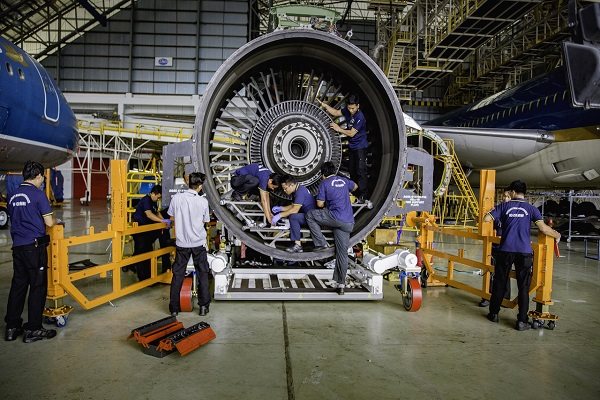
In the aviation industry, safety and reliability are the top priorities that determine the success of every flight. To meet these stringent standards, aircraft maintenance and heavy repair play a critical role. Heavy maintenance is not just about fixing issues but also involves comprehensive inspections, upgrades, and optimization of aircraft systems to ensure peak performance.
1. The Importance of Aircraft Heavy Maintenance
Aircraft are highly complex vehicles with thousands of mechanical, electronic, and software components. Over time, these parts can wear out, malfunction, or develop technical issues. Heavy maintenance ensures:
-
Safety: Identifying and addressing potential faults in a timely manner to prevent operational risks.
-
Extending Aircraft Lifespan: Regular maintenance and heavy repairs help maintain performance and prolong the aircraft’s service life.
-
Compliance with Aviation Regulations: Regulatory bodies like the FAA (USA) or EASA (Europe) require aircraft to undergo strict periodic inspections and maintenance.
2. Types of Heavy Maintenance
Heavy aircraft maintenance includes various activities, depending on the scope and complexity of the work:
-
Routine Inspections (A-Check, B-Check, C-Check, D-Check): From minor checks (A-Check) to major overhauls (D-Check), aircraft are disassembled and thoroughly inspected.
-
Engine Repair: The engine is the heart of an aircraft, and its maintenance and repair require advanced technical skills and specialized equipment.
-
Airframe Repair: Includes inspecting, welding, and replacing damaged parts of the aircraft’s structure.
-
Electrical and Avionics Maintenance: Control, communication, and entertainment systems on the aircraft require regular inspection and upgrades.
-
Painting and Surface Finishing: Aircraft painting is not just about aesthetics but also protects against corrosion and environmental damage.
3. Heavy Maintenance Process
The heavy maintenance process follows strict steps:
-
Initial Assessment: A comprehensive inspection to identify issues that need addressing.
-
Maintenance Planning: Developing a detailed plan, including timelines, manpower, and required materials.
-
Disassembly and Inspection: Disassembling parts for detailed inspection.
-
Repair and Replacement: Repairing or replacing damaged components.
-
Reassembly and Testing: Reassembling the aircraft and conducting final tests.
-
Delivery and Certification: Ensuring the aircraft meets all safety standards before returning to service.
4. Modern Technology in Aircraft Maintenance
With technological advancements, aircraft maintenance methods are becoming increasingly sophisticated:
-
Robotics and AI: Robots assist in inspecting and repairing small, hard-to-reach components.
-
3D Printing: Producing replacement parts quickly and accurately.
-
Remote Monitoring Systems: Real-time tracking of aircraft conditions to detect issues early.
5. Professional Technical Team
Heavy aircraft maintenance requires a team of highly trained technicians with proper certifications. They must have expertise in mechanics, electronics, and a deep understanding of international aviation safety regulations.
Conclusion
Heavy aircraft maintenance is a complex process that demands absolute precision. It is not just routine upkeep but a critical factor in ensuring the safety of passengers and crew. With the continuous advancement of technology and techniques, aircraft maintenance services are becoming more modern, contributing to the enhanced quality and reliability of the global aviation industry.